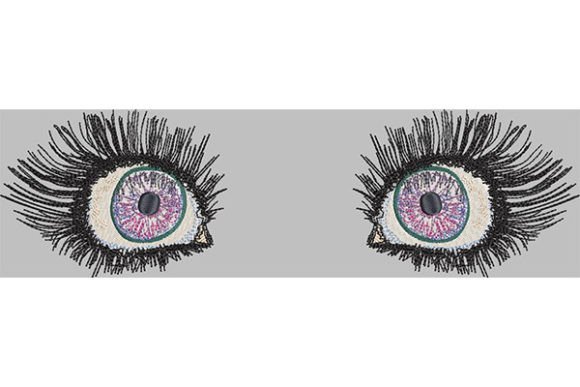
Big Eyes for Dolls and Crafts: A Designer's Review
The Playful Charm Hits You Immediately
When I first opened the Big Eyes for Dolls and Crafts design file, I smiled. That sounds a little silly to admit, but after years of reviewing machine embroidery designs for client work and small shop merchandise, I have learned to trust that first gut reaction. The oversized, friendly eyes in this set carry a soft, whimsical personality. They do not feel harsh, cartoonish, or cheap. Instead, the curves read gentle and inviting, the kind of expression that makes a handmade plushie or baby item feel instantly loved.
The embroidery file comes packed with options, which I appreciated right out of the gate. Having multiple eye styles and sizes in one collection means you can match the expression to the project without hunting down separate designs. That flexibility matters when you are building a cohesive product line or preparing several custom orders at once. The mood leans warm and approachable, perfect for the Babies category and any craft that depends on soft, friendly visual language.
Testing It Out on a Nursery Pillow Cover
To give the design a fair shake, I pulled a small nursery pillow cover project from my queue. A longtime client runs a boutique baby gift shop and wanted a set of personalized cotton pillow covers with doll faces for a spring baby shower collection. The fabric was a medium-weight organic cotton in oatmeal, thread choices leaning toward charcoal and dusty rose. I hooped the fabric with a medium-weight cutaway stabilizer and loaded the design.
Right away, the fill stitch on the pupils and the satin stitch borders behaved beautifully. There was no pulling, no visible puckering around the eye outlines, and the thread coverage felt dense enough to look polished without turning stiff. On a nursery pillow, stiffness kills the cozy factor, so I watch for that. The roundness of the eye shapes registered cleanly, with no odd flattening or distortion. When I pulled the hoop off and held the pillow at arm's length, those big eyes gave the cover exactly what it needed: instant personality without overcomplicating the design.
Where This Design Belongs in Your Project Lineup
I see Big Eyes for Dolls and Crafts shining brightest on the following types of embroidery project work:
- Baby clothes and onesies: The soft expression pairs naturally with infant wear, especially on organic cotton or bamboo blends. Keep the eyes centered on the chest or peeking from a pocket edge for maximum charm.
- Handmade plush dolls and soft toys: This is where the design truly comes alive. The friendly doll look mentioned in the product description is exactly what sells a plushie at a craft fair. Parents gravitate toward toys that look kind and safe.
- Nursery decor: Pillow covers, crib sheets, wall hangings, and quilt blocks all benefit from a simple, recognizable face element. The design stitches out cleanly enough to repeat across multiple items without losing consistency.
- Tote bags and pouches: A small doll face peeking from the corner of a canvas tote or a zip pouch makes an excellent personalized gift. The design works as a standalone accent or paired with a name underneath.
- Embroidered patches: Stitched onto felt or twill with a tight satin edge, these eyes turn into adorable standalone patches that customers can iron onto jackets, backpacks, or baby blankets.
Honest Talk About Fabric and Surface Challenges
Not every fabric will treat this design kindly. On thin, stretchy knit fabrics like lightweight jersey or ribbed cotton, I would strongly recommend a fusible mesh stabilizer and possibly a water-soluble topper to keep the eyes from sinking into the texture. The satin stitch borders are clean but not heavy, which means they rely on a stable surface to hold their shape. On a plush minky or high-pile fleece, those fine details around the eye corners could blur. If a client asks for minky, I would enlarge the design slightly and test on scrap fabric first.
Dark fabrics present another layer of thought. The pupil and iris areas will pop beautifully, but lighter eye whites or highlight dots need strong thread color contrast to read clearly. I tested a sample on a deep navy cotton and found that switching the highlight thread to a soft cream instead of pure white gave the eye a warmer, more natural look against the dark background. Small adjustments like that separate a professional finished product from an amateur one.
Stitching Behavior and Detail Clarity
The stitch density felt well balanced. I have ripped out designs before that crammed so many stitches into a tiny eye that the fabric turned into cardboard. This design avoided that trap. The pupil area had enough coverage to look solid, and the outer eye shapes used efficient running stitch and fill combinations that respected the fabric underneath. On a medium hoop size, the eyes stitched out in under ten minutes, which matters when you are running a production batch for a craft business.
That said, if you plan to use very small hoop sizes, examine the smallest eye option carefully on screen before stitching. Scaling down too far can close up the subtle spacing between highlights and pupil edges, losing the lively sparkle that makes the design work. I recommend keeping the eye size at least one inch across for the best result on textured or woven fabrics.
Customer Appeal and the Giftability Factor
I think about the buyer constantly when evaluating a design. A handmade product with these embroidered eyes will photograph well, and good photos sell. The oversized doll eyes create an immediate focal point in a product listing image. When I draped that finished pillow cover over a chair and snapped a few phone photos, the eyes caught the light and communicated exactly what the product was about: sweet, simple, baby-ready charm.
For Etsy sellers and small shop owners, this is the kind of visual that stops a scroll. A onesie with these eyes, paired with a tiny embroidered smile or a name, becomes an easy upsell for baby shower gifts. The design carries enough personality to stand alone, which keeps the product price accessible while still looking intentional and designed, not slapped together.
Using the Design for Commercial Projects
Many of my readers run small shop operations, sell at weekend markets, or manage online storefronts. For commercial use, this design ticks several boxes. It stitches efficiently, scales reasonably well within typical hoop sizes, and appeals to a broad audience of parents, grandparents, and gift shoppers. The doll face theme crosses seasons, so you are not limited to holiday windows. I could see these eyes working on spring baby bundles, Christmas stocking stuffers, Valentine onesies, or everyday nursery staples.
Before listing finished products made with Big Eyes for Dolls and Crafts, check the licensing terms. Most designers include specific language about what counts as personal use versus what you can sell as a finished good. The product description mentions multiple embroidery file formats, which usually indicates compatibility across major machine brands, but confirm that your specific format is included before purchase. If the exact hoop size range is not listed, reach out to the seller. I always do that before buying a design I plan to use commercially.
Practical Tips from the Hooping Table
After stitching this design several times across different projects, here is what I would tell another embroiderer or designer before they start:
- Test on scrap fabric that matches your actual project fabric in weight, weave, and color. A stitch-out on white muslin will not show you how the eyes read on oatmeal linen or dusty blue cotton.
- Check thread color contrast early. The highlight dot and iris color need to stand apart clearly. If you use a dark iris thread, make the highlight visibly lighter. On light fabrics, frame the eye with a slightly darker outline so it does not float away.
- Use the right stabilizer. Medium cutaway for knits and wovens, water-soluble topper for textured or fuzzy surfaces, and temporary adhesive spray to keep everything still during hooping.
- Inspect small details after the first stitch-out. Zoom in. Check whether the curves stay smooth, whether the satin borders align with the fill areas, and whether any thread breaks occurred on tight corners.
- Preview in a mockup. Drop a digital photo of the stitched piece onto a product image. Seeing the design on a virtual onesie, tote, or pillow in black and white and color will reveal things your eye might miss on the hoop.
- Confirm licensing before selling finished items, especially if you plan to list on Etsy, at craft fairs, or through wholesale accounts. The multiple file formats included suggest the seller expects commercial use, but always read the fine print.
Where the Design Earns Its Place
After working through several stitches and watching how the design held up across cotton, canvas, and a soft knit blend, I can say Big Eyes for Dolls and Crafts belongs in a working embroiderer's library. It is not flashy or overcomplicated, and that is exactly its strength. A design this simple and well-executed lets the fabric, the thread colors, and the finished product shine. The playful doll looks described in the product copy feel genuine once stitched. They do not read as generic clip art hastily digitized. There is real thought in the curve of the eye shape and the spacing of the internal details.
For custom apparel work, baby embroidery, tote bag design, nursery items, and soft toy creation, this design pulls its weight. It stitches efficiently, photographs well, and gives customers exactly what they want from a handmade baby or craft item: warmth, friendliness, and a touch of handmade personality they cannot find in a big-box store. If you stock your digital library with versatile designs that work across product categories, add this one. Test it on your favorite fabric, pair it with a soft thread palette, and watch how quickly those big eyes win people over.