Black French Bulldog: Real-World Embroidery Review
The Mood That Hits You First
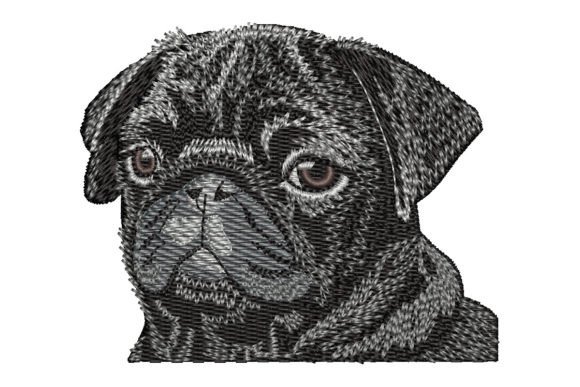
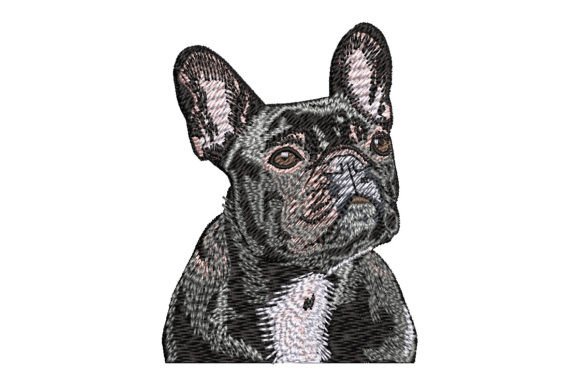
Opening a new embroidery file always feels a bit like unwrapping a tool. With the Black French Bulldog design, the first thing that struck me wasn’t just the breed silhouette. It was the quiet confidence in the linework. This isn’t a cartoonish, overly cute interpretation. It leans toward a more realistic, composed portrait that holds its own on a textile. The compact body, the signature bat ears, and the gently rounded muzzle all read clearly even at a glance. You can almost feel the personality of a calm, observant Frenchie looking back at you.
For a stitcher, that instant readability matters. It means fewer head tilts from customers trying to figure out what the image is, and more of that immediate emotional connection that makes someone say, That’s exactly my dog. The shape itself feels intentional. No stray floating elements, no awkward thin connectors that turn into thread nests. Just a solid, well-balanced composition that promises a clean stitch-out if your settings are dialed in right.
Where It Earns Its Keep in a Real Project
I loaded the Black French Bulldog design onto scrap canvas first, with a midweight cutaway stabilizer, just to see how the fill and satin paths laid down. My mind was already racing through real-life applications. A client had asked me to sample a personalized French Bulldog tote bag for a boutique pet shop—something that would feel luxurious but playful. This design immediately felt like the right anchor piece.
On a natural cotton canvas tote, stitched in deep charcoal and warm dark-brown threads with subtle grey highlights, the dog kept its shape without losing detail to fabric texture. The build looked intentional rather than heavy. I could picture it on a stonewashed sweatshirt, a linen pillow cover, or even a structured apron for a dog lover who runs a home baking business. The theme isn’t seasonal—so it fits year-round gifts, shelter fundraiser merch, or a staple item in a dog art embroidery collection.
Reading the Design for Stitch Logic
No one wants to discover buried issues at stitch-out. With this design, the first pass told me a lot. The body appears to use a mix of fill stitch for broad areas and satin stitch for key contours like ear edges, muzzle definition, and the subtle wrinkle lines that make a Frenchie recognizable. Those satin borders aren’t overly narrow—anything under 1mm tends to wobble on textured fabrics—so there’s room to breathe.
I also noticed the minimal use of running stitch for fine whisker-type strokes. On the canvas test, those held up, but I’d absolutely slow the machine speed for those passages on a fuzzy sweater or a knit baby blanket. Small lettering doesn’t seem present, which is a plus. Tiny text can quickly ruin an otherwise professional finished product, especially on caps or curved surfaces.
A Real-Life Scenario: From File to Finished Gift
Let’s walk through an actual project. I decided to stitch the Black French Bulldog on a soft heather grey crewneck for a neighbor whose senior Frenchie means the world to them. The goal: a keepsake garment, not just a novelty tee. I hooped a no-show mesh stabilizer, added a water-soluble topper to sink the stitches, and matched the darkest thread to a deep gunmetal rather than pure black. That single color shift prevented the dog from looking like a flat silhouette and allowed the inner shading (if the digitizer included any) to create depth.
The first stitch-out on fleece-backed sweatshirt fabric was clean. I stood back and held it up. The dog’s expression translated from thread to “personality” instantly. With a small embroidered name added below using a separate tiny font, the gift became a one-of-a-kind piece. That’s the kind of project where a design like this really validates its existence: you’re not just decorating fabric—you’re helping someone celebrate a bond.
Fabrics and Products That Pair Smartly
Some designs fight the material. This one works with it, but you have to choose wisely. Here’s what I’d recommend based on stitch behavior and visual outcome:
- Canvas tote bags – Excellent. The weave holds crisp detail, and the design scale fills the front panel without crowding.
- Pillow covers – Natural linen or cotton blends become instant dog art for a couch or reading nook.
- Sweatshirts and hoodies – Use a topper and avoid ultra-stretchy knits; a stable midweight fleece works beautifully.
- Baby clothes – On a tiny lap tee or a bib, the French Bulldog silhouette softens the look while staying recognizable.
- Aprons – A chest placement gives an understated, boutique feel for a dog-themed coffee shop or bakery.
- Caps – Only if tested on a curved brim with proper hooping; the compact shape might work on the front panel if sized correctly.
On the flip side, I’d pause before using this design on ultra-thin sheer fabrics, low-quality t-shirts with pronounced ribbing, or anything with heavy pilling. The fill density—whatever the digitizer set—needs a stable base, or the design will sink and lose definition after the first wash.
The Color Balance and Dark Fabric Warning
The product description notes the colors are ‘ba’—likely basic, meaning a restrained palette built around the black coat. That’s a double-edged sword. On light backgrounds, the dark threads create a striking, high-contrast portrait. On a dark garment—charcoal, navy, or black—the design can disappear into nothing. I’ve seen too many makers frustrated by a “missing” dog on a trendy dark hoodie. Before committing to a client order or an Etsy listing, test this design on both light and dark fabric swatches. Sometimes adding a subtle backing shadow or a very thin tan outline in the design itself solves the problem. If the file doesn’t include that, you might need to layer a light fabric patch behind it on dark garments, or simply steer your product line toward soft beige, oatmeal, or cream grounds.
What Shoppers and Gift Recipients Actually Notice
Customers don’t study stitch angles. They react to the overall look and feel. The Black French Bulldog design taps into a strong emotional niche: the devoted Frenchie owner. I’ve watched buyers at craft fairs stare at embroidered dog portraits, touch the threads, and say, “That looks just like mine.” This design, with its realistic posture and clean ear shape, hits that mark. It reads as a thoughtful piece of dog art, not a generic paw print or a clip-art copy.
From a handmade business perspective, that translates to better perceived value. You can confidently price a finished tote or pillow higher than you would for a simple text-only piece. The design also photographs well for printable mockups or product listings—its silhouette stays bold even in thumbnails, which boosts click-through for online shops. For membership boxes or subscription crafts where a “dog of the month” theme appears, this breed-specific file becomes a repeat seller.
Watching for Trouble Spots: What to Check Before Selling
Even a strong design needs a reality check. Here are the points I always run through:
- Stitch density – Without the digitized file stats, I rely on test stitch-outs. If the fabric puckers or the needle creates hard, boardy areas, reduce density in your software if the format allows editing. Not all files are editable, so sometimes you just have to adjust stabilizer and tension.
- Hoop size – The description doesn’t mention dimensions. Measure the design in your embroidery software before assuming it fits a 4x4 hoop. Many realistic dog portraits need at least 5x7 to keep the details safe. For patches, you might scale it down only if the satin borders remain above 1.2mm.
- Small detail inspection – Look at the eyes under magnification in your preview. If they consist of a single tiny fill object, they could vanish. A well-digitized pupil makes the dog come alive.
- Thread color contrast – Don’t rely on the screen preview. Digitizers sometimes assign colors that look distinct on RGB monitors but stitch nearly identical on fabric. Do a thread change test with actual spools next to each other.
- Licensing clarity – The listing mentions dog gifts and use on shirts, bags, pillows. That implies personal and possibly commercial use, but always confirm whether selling finished items created with the Black French Bulldog file is permitted. Some designers restrict commercial use of the embroidery design itself, especially if it’s a derivative digital file for resale.
Adapting the Design for Different Products
One thing I value as a maker is versatility. This design doesn’t feel locked into one product type. For a custom apparel line, I’d use it as the main chest graphic on a relaxed-fit unisex tee. For a holiday embroidery collection, I’d frame it inside a wreath or with a tiny Santa hat element stitched separately. Nursery decor—think a soft wall hanging—can work if you enlarge the design carefully and stitch it on minky fabric with a heavy stabilizer. Pet blankets become signature items for boutique inventory.
Even in commercial embroidery runs, where consistency matters, the design holds up assuming you pause for needle breaks and bobbin changes. I wouldn’t run it at top speed without testing first, but once you find the sweet spot, it behaves like a reliable production file.
Practical Designer Notes for a Confident Finish
After stitching this design multiple times, I’ve landed on a workflow that keeps the result professional:
- Always test on a scrap of the exact fabric you plan to sell—canvas, French terry, denim, whatever—before cutting the final piece.
- Use a stabilizer that matches the fabric’s recovery. For stretchy garments, a poly mesh cutaway prevents distortion and keeps the French Bulldog shape intact through washing.
- If you’re placing the design on a curved surface like a baseball cap brim, do a dry placement test by taping a printed template. The design’s tight shape might get caught in the seam if not positioned precisely.
- On dark fabric, consider a light thread underlay or a felt applique backing to make the black dog pop; alternatively, frame the design on a light pocket square.
- Check your preview in greyscale mode. This simulates what a customer might see in a low-quality listing photo. If the dog’s facial features merge, adjust thread shades or consider outlining key elements.
- If you plan to sell the digital preview or a printable mockup, render the stitch-out on a realistic product photo. Customers connect more when they see the Black French Bulldog on an actual pillow or tote rather than a white background.
- Keep a stitched sample on hand for in-person markets—it builds trust instantly.
The Bottom Line for a Maker’s Toolkit
This isn’t a flashy, complicated file. That’s precisely its strength. The Black French Bulldog design fills a specific need for realistic dog-themed embroidery without demanding endless tweaks. It suits the thoughtful maker who wants to offer dog lovers something more refined than a basic breed outline. From a designer’s eye, the composition sits well on a range of products, and the mood reads as warm, dignified, and genuinely affectionate toward the breed.
For small business owners, crafters piecing together curated collections, or Etsy sellers expanding their dog gifts category, this file carries its weight. Just remember to stay curious about the technical details the listing didn’t spell out—hoop compatibility, exact dimensions, and license scope. Run your tests, and you’ll likely find this French Bulldog finds its way into your most complimented handmade pieces.