Diagonous G: A Designer’s Real-Stitch Review
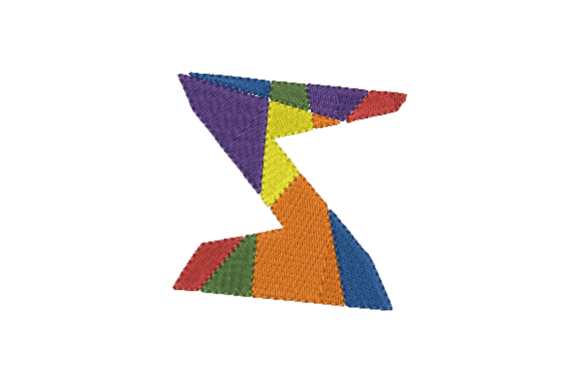
Every time I load a new machine embroidery design onto my screen, the first thing I look for is personality. With Diagonous G, that personality arrives fast. The letter G is built from bold diagonal bands in primary and secondary colors — no soft curves, no delicate shading. It reads like a confident graphic statement, the kind that demands a second look on a kid’s backpack or a craft fair tote. For anyone who stitches for small shops, client projects, or even their own Etsy listings, that immediate recognition matters. It decides whether a design lands in the “must-stitch” folder or gets archived.
I’ve been testing Diagonous G with a few real-use scenarios in mind, not just a preview screen. This review is what I’d tell a fellow maker before they hoop up and hit start — what works beautifully, where to pause, and how this design holds up when the finished product needs to impress a buyer.
When a Colorful Letter G Saves a Last-Minute Order
Picture this: a repeat customer messages you on a Tuesday, asking for a birthday gift for their four-year-old nephew. They want a personalized sweatshirt, something bright, unisex, and fun — but not cartoony. You already have blanks in stock and a tight turnaround. You scroll through your embroidery design library and land on Diagonous G. The immediate reaction is relief. Those diagonal shapes, hitting from different angles with primaries and secondaries, feel energetic and modern without being messy. The G isn’t just a letter; it’s a mini composition. You know right away it will pop on a charcoal or oatmeal sweatshirt, and the boldness buys you time: the design does enough heavy lifting that you don’t need a dozen extra accent stitches.
That’s exactly the kind of situation where a design earns its place. A real craft business doesn’t run on “cute” alone. It runs on reliability, speed, and how a stitch-out looks after the third wash. So, let’s talk about how Diagonous G performs when you move past the preview.
First Impression: Geometry, Color, and Mood
Opening the embroidery file for the first time, I immediately noticed the diagonal construction. The G-character is fragmented into dynamic angled sections — none of the typical solid-block lettering you see in monogram sets. That geometry gives it a slight tech-inspired, abstract feel, yet the primary and secondary color palette (think strong reds, blues, yellows, plus oranges, greens, purples) tempers it into something playful. The overlap of colors in the diagonal segments creates a visual rhythm that reads clearly even at a small distance.
This isn’t a dainty script initial. Diagonous G falls squarely into a shapes-driven, almost mid-century modern graphic territory. I could see it thriving on baby clothes (where parents love colorful, gender-neutral options), on embroidered patches for jackets, on canvas tote bags for a boutique, or even framed in a nursery as part of a name series. The mood is friendly, bold, and approachable. For a seller aiming for that “handmade but polished” look, it’s a strong contender.
Stitch Construction and Texture Feel
While I don’t have access to the exact stitch count for this specific embroidery design, the preview suggests a mix of satin stitch and fill stitch areas to achieve those blocky diagonal planes. The edges of each color segment appear crisp, with no obvious overly narrow sections that might cause registration headaches on moderate fabric. Still, I always caution: design previews can be deceiving. The real test is how those diagonal intersections align on a slightly textured substrate. A densely packed fill stitch area in the center of the G could create slight stiffness, which is fine on a structured item like a patch or a hat brim, but might feel heavy on a lightweight onesie. This is where your choice of stabilizer becomes critical — more on that in a moment.
Where Diagonous G Excels in Real Embroidery Projects
After analyzing the shapes and color layout, here’s exactly where I’d confidently use Diagonous G for maximum impact and minimal frustration.
- Tote bags and canvas totes: The bold diagonal blocks read perfectly on flat-woven fabric. Use a medium cutaway stabilizer, and the design will withstand grocery runs and daily wear. A natural cotton tote printed with this G feels like a statement piece, not just a logo.
- Sweatshirts and hoodies: Great choice for crewneck centers or even slightly off-center placement. The primary colors add a retro-sporty vibe when stitched on heather grey or navy. Test on a scrap that matches your sweatshirt weight; a thin fleece might pucker if stitch density is high.
- Toddler and baby apparel: A simple organic cotton tee with Diagonous G on the chest turns into a boutique-quality gift. Since the design is colorful, you can skip additional embellishments and let the letter do the work.
- Embroidered patches: Hoop some twill or felt, stitch the G with a satin border if the file allows, and you have a custom patch ready to sell. Patch collectors and kids love bright initials.
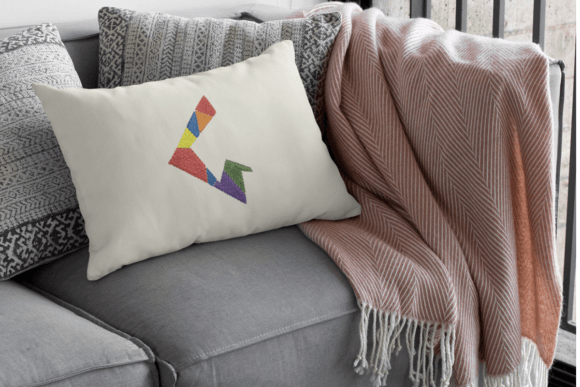
- Pillow covers and nursery decor: Imagine a single G on a 16-inch linen pillow sham. The geometric diagonal lines contrast beautifully against the organic texture, making it look like a high-end decor piece.
- Small shop merchandise: If you brand your packaging with a bright G, or use it as part of a shared collection, the design becomes a recognizable asset. Several craft fair vendors pair such shapes with other initials for a cohesive alphabet series, instantly boosting perceived value.
In all these cases, the design’s clear segmentation makes it easy to read even from across the room. Customers buying personalized gifts often care about that — will Grandma see the initial clearly? With Diagonous G, the answer is yes.
Where to Stitch with Extra Care
No design is perfect for every fabric and hoop. Here are a few scenarios where I’d approach Diagonous G cautiously, and my honest advice for each.
Small Hoop Sizes and Tiny Spaces
If you’re trying to shrink this design down to fit a 4×4 hoop at under maybe 2.5 inches, those diagonal segments could lose separation. The colors might blend visually, turning a crisp G into a colorful blur. Always check the embroidery file’s minimum dimensions and run a test stitch on scrap fabric at the smallest size you intend to use. I’d recommend keeping the design at least 3.5 inches wide for clarity.
High-Stretch and Thin Fabrics
Stitching on a performance tee or a tissue-thin jersey? The multiple color changes and potential stitch density create pull, even with the best stabilizer. You might see puckering between the diagonal blocks. For those fabrics, use a fusible no-show mesh stabilizer and consider a water-soluble topper to keep the stitches floating cleanly. If this is for a client’s gym apparel, test wash the sample twice to be sure.
Dark Background Drama
Primary colors pop wonderfully on dark fabrics, but some shades of blue or purple within the design might get lost on black or very dark navy. I’d do a quick thread color check: pull the thread spools the design calls for and lay them on the actual garment. Sometimes swapping a dark blue for a slightly brighter hue makes all the difference. The same goes for dark green patches. You want each diagonal band to hold its own.
Curved Surfaces and Caps
Using Diagonous G on a baseball cap could work for the front panel, but the design’s angular nature might clash with the cap’s curve if not centered perfectly. Test on a structured cap with a firm backing, and consider a slightly smaller size so the angles don’t distort. I’d save this for flat areas like a tote or hoodie unless you’re comfortable with precise placement.
Practical Designer Notes Before You Start Stitching
Every experienced embroiderer I know has a mental checklist before a commercial or custom project. Here’s what I’d do before turning Diagonous G into a finished product for sale.
- Test on scrap fabric first. Use the exact same fabric weight and color as your final blank. It’s the only way to see if the satin stitches line up or if any thread breaks appear in the fill areas.
- Audit the thread colors. The description mentions primary and secondary colors, but those aren’t brand-specific. Which red? Which yellow? A neon yellow versus a mustard yellow changes the whole mood. Pick threads that match your brand’s palette or your customer’s vibe.
- Check stitch density in the small windows. Open the embroidery file in your software and look at the places where diagonal edges meet. If the density is too high for a lightweight fabric, you might need to adjust or add an underlay. If you can’t edit the file, choose a heavier stabilizer.
- Hoop size confirmation. Since the product listing states multiple embroidery file formats are included (which means the design is likely sized for various machines), verify the exact dimensions of each format before hooping. Don’t assume all versions are the same size.
- Test in grayscale. This is a trick I love: convert a digital mockup to black and white. If the G still reads clearly as a letter without color, the contrast and shape are strong. If it turns into a messy blob, consider increasing contrast between the color bands.
- Stabilizer strategy. For most medium-weight woven fabrics, a medium-weight cutaway stabilizer gives lasting support. For knits, add a temporary spray adhesive and a topping. The diagonal nature of the fill could pull, so don’t rely on tear-away alone.
- Wash test if it’s wearable. A quick cycle in cold water and low dryer heat tells you if the colors bleed or the stitches relax unevenly. Nothing ruins a customer’s trust faster than a distorted initial after one laundry day.
How Diagonous G Elevates a Handmade Product Line
When I think about why a buyer would choose a handmade item with Diagonous G over a store-bought alternative, it comes down to perceived artistry. This isn’t just a monogram; it’s a designed graphic. On an embroidered patch or a tote bag, it signals that the maker thinks like a designer. A small shop owner can photograph this on a clean flat lay with a few primary-colored props, and the visual harmony sings. It immediately adds value because the colors and angles feel curated, not random.
For Etsy sellers and craft business owners, that sense of intention can lift a simple product from “cute” to “collectible.” If you’re building a line of personalized gifts — perhaps a series of initials in the same geometric style — Diagonous G feels like a linchpin. It works for younger audiences and adults alike, depending on how you style it. On a kitchen towel, it reads as cheerful and modern. On a hat, it feels sporty. On a baby blanket, it turns into a treasured keepsake. That adaptability spreads your product range without requiring a hundred new embroidery files.
I also appreciate that the design comes with multiple machine embroidery file formats. While I can’t specify which ones are included without seeing the exact download folder, that detail tells me the creator intended for broad compatibility. Before listing a finished product made with this embroidery design for commercial sale, though, double-check the licensing. Some designs allow physical items but not digital resale. Always read the terms, especially if you plan to offer embroidery services to other small brands.
Final Stitch Thoughts on Using Diagonous G Commercially
After evaluating Diagonous G from a practical stitching standpoint, I’d put it in the “high-impact, solid performer” category for crafters and small businesses. The diagonal layout and primary-secondary palette deliver a distinctive look that avoids gimmick territory. It’s graphic enough for an embroidered patch, cute enough for baby embroidery, and substantial enough for a sweatshirt centerpiece. The main effort on your end is testing: verifying hoop size, thread contrast, and stabilizer match.
If there’s one thing I’d emphasize, it’s not to underestimate the power of a well-chosen initial. A single letter, when designed with this much personality, becomes a conversation starter. Whether it’s a holiday gift, a boutique product, or an everyday custom apparel item, Diagonous G helps you deliver something that feels special. Run your test stitch, trust your fabric instinct, and let those colorful diagonals do the talking.