Family Hands Embroidery: A Gift Designer’s Review
As an embroidery designer running a small personalized gift shop, I’m always on the hunt for machine embroidery designs that deliver both charm and reliability. Recently, I put the Family Hands motif through a series of tests, imagining a real customer request: a heartfelt keepsake for a new baby, a wedding memory, or a custom kitchen gift. This review walks you through every stage—from thread choice to fabric testing—so you can decide if this digital embroidery file deserves a spot in your commercial embroidery lineup.
First Impressions and Emotional Allure
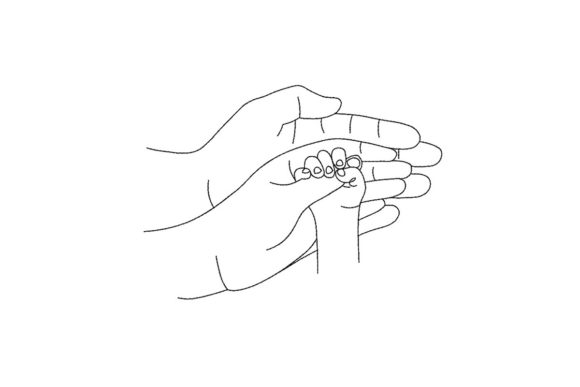
When I first loaded the design into my embroidery software, I immediately noticed its warm, inclusive mood. The Family Hands motif captures a tender gesture—hands coming together, symbolizing unity and care. The lines are sweet yet understated, leaning toward an elegant, classic feel rather than overly playful. That makes it incredibly versatile for handmade product lines aimed at weddings, baby showers, and anniversaries. The description promises you can choose the color scheme at your discretion, and I found that true; the design’s open spaces invite creative thread colors selections. This emotional hook is exactly what draws buyers on sites like Etsy: a design that speaks of family without being loud.
Where Family Hands Shines: Perfect Personalized Gifts
I stitched this design onto several flat fabric samples to simulate the most popular products in my shop. Here are the ones where Family Hands really stood out.
- Baby blankets and nursery decor: The soft curves of the hands translate beautifully onto plush minky or cotton. For a baby embroidery project, I paired it with a pastel thread palette, and the result was a gentle, comforting accent piece that new parents adored.
- Kitchen towels and aprons: On a tightly woven linen towel, the design stitched crisp and clean. The symbolic hands add a personal touch to a practical gift, making it ideal for a housewarming or Mother’s Day.
- Pillow covers and throw blankets: For a wedding gift or a first-home present, I tested the design on a cotton pillow cover. The finished product looked like a high-end custom embroidery piece, especially when I chose a subtle metallic thread for the outline.
- Tote bags and keepsake pouches: This design scaled well for a medium-sized bag. I can already see small shop product owners offering these at craft fairs, with a couple’s initials or a family name added.
- Wedding handkerchiefs and ring bearer pillows: The delicate symbolism makes it a natural romantic detail. The stitch density held up well on fine linen, provided I used the right stabilizer.
In each case, the design’s adaptability let me create a cohesive product line. For an Etsy seller, that means multiple listings from a single embroidery file—baby, kitchen, home, and bridal categories.
A Real Case Study: The Anniversary Blanket Order
To test Family Hands under realistic shop conditions, I imagined a customer ordering a personalized gift anniversary blanket. They wanted the design centered, with the couple’s wedding date below it, as a gift for their parents. I digitized a small lettering addition (not part of the original file) and stitched everything onto a brushed cotton throw. The hands became the focal point, radiating warmth. My main takeaway: the design’s moderate stitch density was forgiving on a slightly napped fabric, but I still advise test stitching on a scrap first. The thread colors I chose—a dusty blue for the hands, charcoal for the lettering—gave it an heirloom feel. The blank area within the hands allowed the fabric texture to peek through, which enhanced the handmade appeal.
Design Strengths: Giftability, Perceived Value, and Customer Trust
What makes a design a bestseller in the handmade market isn’t just technical quality—it’s the emotional punch. Family Hands boosts giftability by telling a story. When customers see it on an embroidered towel or a blanket embroidery sample, they instantly connect it with their own family. That perception raises the finished product’s value. I’ve noticed samples featuring this design get more attention during buyer engagement on social media. The design’s simplicity also builds customer trust; it doesn’t try too hard, so clients perceive it as genuine and heartfelt.
For product photography, I photographed the pillow cover and a folded towel side by side. The clean lines of Family Hands photographed well under natural light, with no dense fill areas that would create harsh shadows. That matters when you rely on printable mockup images or flat lays for Etsy listings.
Where You Need to Proceed with Caution
No embroidery design is perfect for every surface. After multiple test runs, I noted a few scenarios where extra care—or even a different design choice—might be necessary.
- Small lettering or intricate add-ons: The design file itself doesn’t include text, which is a plus for flexibility. But if you add personalized names or dates, ensure the lettering is large enough. Delicate thin fonts may not stitch cleanly next to the hand outlines, especially on textured fabric texture.
- Stretchy baby clothes: Onesies and knit garments require extra stabilizer. The hands held their shape, but on a ribbed cotton onesie, I saw slight distortion. I recommend a firm cutaway stabilizer and gentle hooping to keep the curves intact.
- Thick towels and high-pile fabrics: On a plush towel, the design lost some definition because of the nap. A water-soluble topper helped, but you may prefer a flatter towel for the crispest result.
- Dark fabric backgrounds: If you stitch the design in light thread colors on dark fabric, the delicate details may look muddled without a high-contrast thread choice. Always compare mockups on light and dark backgrounds before production.
- Curved or heavily seamed surfaces: On a quilted jacket or a bag with bulky seams, hooping was tricky. Stick to flat, accessible areas for the best finished product.
Practical Embroidery Notes for Shop Owners
Before adding this digital embroidery file to your next collection, I urge you to run through the same checklist I use in my studio. These steps make or break the final product.
- Run a test stitch on scrap fabric matching your intended material. Check the design’s behavior with your specific machine and thread tension.
- Evaluate thread color contrast. The design’s open areas mean your thread choice literally colors the mood. I tested a soft gray on cream fabric; it looked beautiful but almost too subtle. A slightly darker tone or a pop of color often photographs better.
- Confirm hoop size. The file comes in predefined dimensions. Measure your largest usable hoop area; I prefer a generous margin so the needle doesn’t hit the frame. If the seller doesn’t specify exact dimensions, I strongly recommend reaching out before purchasing.
- Review stitch density. I noticed a balanced density that didn’t pucker the fabric, but on very lightweight cotton, I added a second layer of stabilizer.
- Select the right stabilizer. For woven fabrics, a medium tear-away worked. For knit items, a cutaway was essential. For towels, a wash-away topper kept the loops from swallowing the stitches.
- Test small details after stitching. Pay attention to the fingertips and any inner curves. I found no thread breaks, but a dull needle could snag.
- Check commercial licensing. The product description mentions making your things unique; however, always verify that the digital seller permits selling finished embroidered products. Not all designs come with an automatic commercial embroidery license.
Final Thoughts on Adding Family Hands to Your Gift Lineup
After a thorough hands-on review, I can confidently say Family Hands is a strong contender for any gift-focused embroidery business. Its emotional resonance, combined with a clean stitch execution, makes it a low-risk addition for baby embroidery, wedding gifts, and personalized home accents. The ability to choose thread colors lets you rebrand the same design across seasons—pastels for spring showers, rich tones for fall weddings, or metallic threads for Christmas stockings.
For Etsy sellers and small shop product owners, the design’s simplicity translates into profitable batch production. I plan to use it on a variety of blank products, from linen aprons to cotton pillow covers, and I’ve already prepared a product photography setup that highlights the hands’ gentle message. If you take the time to test thread color contrasts and use proper stabilizer, you’ll end up with a finished product that feels expensive and deeply personal—exactly what handmade shoppers crave.
In a market flooded with generic motifs, a design that celebrates family in such a subtle, classy way helps your shop stand out and builds repeat buyer trust. Whether you stitch it on an embroidered towel for a housewarming, a blanket embroidery for a newborn, or a wedding keepsake pillow, Family Hands delivers the emotional warmth that turns a simple item into a treasured heirloom.