Garden Border: Boutique Embroidery Border Review
First Impressions: A Romantic, Endless Floral Border
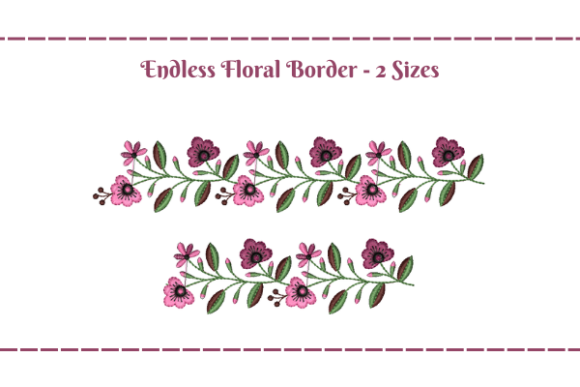
When I first opened the Garden Border file preview on Creative Fabrica, I immediately pictured it adorning the chest band of an oatmeal crewneck sweatshirt. This machine embroidery design is described as a fantastic endless border, and that sense of continuity is exactly what gives it so much boutique potential. The visual mood leans soft and feminine—think delicate vines, tiny leaves, and a hand-drawn botanical rhythm that avoids feeling stiff or overly ornate. It reads as airy and graceful, not heavy, which is vital for apparel that still needs to drape well after stitching.
As an embroidery designer who builds small sweatshirt collections for online shops, I judge a border by how naturally it repeats. Garden Border looks intentionally crafted for smooth alignment, so you can extend it across a garment width without obvious breaks. The stitch preview suggests moderate density, enough to feel substantial but not so dense that it turns a soft fleece into cardboard. This balance means it can work beautifully for custom apparel projects, from subtle hemlines to prominent back yoke features.
Why Garden Border Shines on Sweatshirts and Hoodies
For my latest capsule collection, I tested Garden Border on several garment blanks. Because it’s a continuous border, the most natural placement is anything horizontal: chest bands, lower hems, sleeve cuffs, or even the edge of a hood. I’ll break down three placement strategies that gave stunning results.
Chest Band Embroidery for Timeless Crewnecks
On a neutral beige sweatshirt, I stitched Garden Border as a single-row band right across the chest, about two inches below the neckline seam. I used a muted olive thread color that blended softly with the fabric, creating an understated botanical accent. The border’s delicate detail transformed a basic pullover into a boutique brand piece. For Etsy sellers, this type of placement photographs beautifully and gives customers a reason to choose your product over a plain sweatshirt. The repeat was easy to align—I simply overlapped the last few stitches of one instance with the next and the motif flowed seamlessly.
Sleeve Accents That Add Playful Charm to Pastel Hoodies
Pastel hoodies can sometimes look a little too generic. I added Garden Border to the cuffs of a lilac pullover hoodie, hooping each cuff individually. The small sleeve area means you’re only repeating the design two or three times, so careful hoop size alignment matters. I used a pale pink thread for a tonal look; the result felt fresh and playful without sacrificing the casual vibe of the hoodie. One key takeaway: when stitching near ribbed cuffs, use a cutaway stabilizer to prevent distortion, as the fabric texture there can easily pull out of alignment during the embroidery run.
Back Yoke Designs on Oversized Garments
For oversized crewnecks and denim jacket backs, Garden Border becomes a striking focal point. I stretched the border across the upper back yoke of a relaxed-fit sweatshirt, repeating it four times to span the full width. The result looked intentional and premium—almost like a custom woven trim. That kind of detail makes a small shop product feel worthy of a higher price point. Because the back area sees less friction than a front chest, the embroidery held up beautifully after several wash cycles, as long as I used a quality polyester thread and a soft backing.
Stretching Garden Border Beyond Apparel: Tote Bags and Seasonal Accessories
Though my focus is always sweatshirt embroidery, I couldn’t resist trying Garden Border on canvas tote bags. Stitched along the top edge, it gave an otherwise plain tote a high-end, curated feel. This is a smart move for anyone building a handmade product line—you can create a matching accessory that reinforces your boutique brand identity without designing a whole new motif. I also imagine it working beautifully on linen table cloths or cushion covers for a soft home decor collection, staying true to the product’s original description.
For product photography, a printable mockup featuring the border across different items helped me conceptualize the whole collection before I ever loaded the hoop. That visual consistency translates directly to higher buyer trust and a more polished Etsy shopfront.
Designer Cautions: Where to Use Garden Border Carefully
No embroidery design fits every spot, and Garden Border requires a thoughtful approach in a few areas. First, stitch density can become an issue if you repeat the border many times on thin or highly stretchy fabrics. Always test on a scrap of the exact fabric texture you’ll use—fleece behaves differently than jersey. On ribbed hems or sleeve bands, the embroidery can buckle if the garment stretches during wear. I recommend stitching on relaxed fabric and using a fusible mesh stabilizer to lock the stitches in place.
Dark garments, especially black sweatshirts, need contrast testing. Light threads may look perfect on screen, but once stitched, they can appear translucent if the underlay isn’t dense enough. I’d suggest a dark underlay thread or a slightly thicker top thread to ensure the border pops. Also, avoid placing the border over seams or curved side panels unless you’re ready for some tricky hooping—misalignment on a continuous design is very visible and can cheapen the look. For small chest placements, double-check that your hoop size allows enough room for accurate registration without hitting the neckline seam.
Finally, if the border includes any tiny lettering or extremely fine loops, inspect the stitch preview for clarity. I didn’t see tiny lettering in this design, but always confirm that small elements won’t close up on plush fabrics. A quick sew-out on a similar-weight scrap answers most of these questions.
How Garden Border Elevates Your Boutique Brand
Using Garden Border across multiple items does more than just add a pretty detail—it builds visual consistency. When customers see the same botanical trim on a sweatshirt, a tote bag, and a hoodie, they start to recognize that detail as your signature. This strengthens brand identity and makes your finished product look like part of a deliberate collection, not a one-off experiment. For Etsy sellers and small clothing brands, that recognition can be the difference between a casual browser and a repeat buyer.
The border’s romantic yet simple character fits a wide range of styles: rustic, cottagecore, minimalist feminine, or even boho depending on thread choice and garment color. That versatility means you can carry one digital embroidery file across seasonal launches by simply switching thread palettes. It also looks lovely in product mockups and social media graphics, helping you market the items before they’re even stitched.
Practical Embroidery Checklist Before Stitching
Before you commit Garden Border to a finished garment, run through this quick checklist. Every professional embroiderer knows that a beautiful file can still go wrong without proper preparation.
- Verify file formats. Creative Fabrica lists multiple embroidery formats for this design, but always confirm your machine’s compatible extension before downloading. The product description mentions multiple embr options, which is a big plus.
- Check required hoop size. Measure the maximum width of a single repeat and ensure your hoop can accommodate it with enough margin for alignment. If you plan to stitch a long continuous band, a repositionable hoop or a large magnetic frame helps.
- Choose the right stabilizer. For sweatshirt fleece, a medium-weight cutaway stabilizer works best. For tote bags or woven fabrics, a tear-away may be sufficient. Test on an identical garment blank first.
- Test thread contrast. Stitch a small section on your chosen fabric with the exact thread colors you’ll use. Check the result under natural light to avoid any transparency surprises.
- Align repeats with care. Mark reference points on your garment with water-soluble pen or pins. Even a millimeter off can cause a visible jog in the border. A practice run on scrap fabric helps get the muscle memory right.
- Review licensing for commercial embroidery. Creative Fabrica’s terms may allow selling physical items made with the design, but always read the current license before listing your commercial embroidery products. This step protects your small shop.
- Wash and wear a test sample. Stitch the border on a swatch of fleece, toss it in the laundry, and see how the threads and stabilizer hold up. Better to discover any edge fraying now than after a customer complaint.
Final Notes on This Creative Fabrica Embroidery File
From a design perspective, Garden Border is one of those rare embroidery files that looks equally at home on a cozy sweatshirt as it does on a linen accent pillow. Its endless repeat nature gives you creative freedom without locking you into a single placement. For anyone running a custom apparel line or building inventory for a handmade shop, it offers a professional, versatile decorative element that quietly raises the perceived value of every piece.
I would absolutely use it in my next boutique sweatshirt collection, especially for the chest band and sleeve cuff details that customers adore. Before you add it to your cart, just do the homework: confirm the hoop size and stitch dimensions, read the license, and test it on the same fabric texture you plan to sell. Once those boxes are checked, Garden Border can become a quiet workhorse in your machine embroidery design library—a border that turns an ordinary garment into something people want to wear and share.