Memorial Day Design: Craft Fair Product Review
Every year as the spring craft fair season approaches, I sit down with a fresh batch of digital embroidery files and ask the same question: Will this stop someone in their tracks at a busy booth? The Memorial Day machine embroidery design arrived in my collection just in time for my patriotic product push, and after stitching out multiple samples on different products, I’m ready to share exactly where it shines, where sellers need to pay close attention, and how to turn this single embroidery file into a lineup of best-selling handmade goods.
First Impressions: A Quiet, Respectful Statement
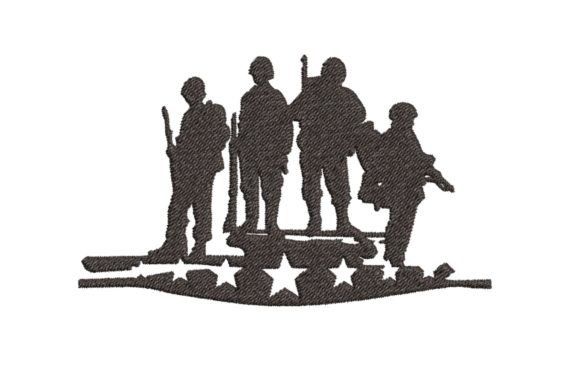
When I opened this design, I wasn’t met with loud fireworks or cartoonish eagles. The Memorial Day digital embroidery file carries a tone that feels sincere and respectful. It leans classic rather than trendy, making it an easy fit for sellers who want to offer something meaningful without straying into overly casual or humorous territory. That is a huge advantage in a booth setting: customers scanning a table of aprons and tote bags will pause at pieces that feel intentional, not just seasonal. This design doesn’t scream “holiday clearance rack” — it says “I remember,” and that emotional weight can absolutely translate into a sale.
Where This Design Belongs in Your Craft Fair Booth
Not every embroidery file deserves the same product placement. After test-stitching the Memorial Day motif on a variety of surfaces, I can say with confidence that this design performs best on items that customers slow down to look at. Think items they pick up and hold, not just glance over. Here’s how it landed on the products I always bring to handmade markets:
- Canvas tote bags: A natural home. The design’s composition works beautifully as a centered focal point on mid-weight natural canvas. It catches light well, and the message reads clearly at arm’s length, which is exactly how someone will see it walking by another person carrying the bag.
- Kitchen tea towels and aprons: These were my surprise winners. The design, when stitched on a flour-sack towel or a sturdy linen-cotton apron, instantly upgrades the piece. It gives off a farmhouse-patriotic vibe that attracts buyers hunting for hostess gifts or Memorial Day weekend home décor.
- Embroidered patches: I did a test run on felt-backed fabric with a merrowed edge, and the result was sharp enough to pin on a jacket or cap. Patches are low-risk, high-reward items for a craft fair table, and this design’s theme gives it year-round potential due to its connection to Veterans Day and Independence Day.
- Pillow covers and fabric pouches: On a 16x16 linen pillow cover, the design fills the space just right, creating an accent piece that would sit well in an entryway or on a porch bench. Small zipper pouches are another easy win — they stitch fast, use minimal fabric, and sell quickly when displayed in a wire basket near your checkout spot.
- Caps: This is trickier. The curved surface means you’ll need to be precise with hoop placement and use a cap driver. Test on a structured cap first; if the design has any fine inner details, they may lose clarity on the textured front panel unless you scale up or simplify your thread choices.
Practical Selling Strengths
From a business perspective, the Memorial Day design has excellent repeatability. The stitch preview showed a balanced density — not so light that the fabric peeks through, and not so dense that production time drags. For batch work, I could hoop multiple tea towels in succession without fatigue. The design also photographs remarkably well for Etsy listings: the contrast is distinct enough that a simple flat lay near natural window light gives a completely usable image. That means a faster workflow for small shop owners who do everything themselves.
Another feature I appreciate is that the theme bridges multiple holidays. You aren’t buying a single-use digital embroidery file; this same design fits Independence Day, Memorial Day, Veterans Day, and even general military appreciation events. That extends your selling window far beyond late May, which is a key calculation for any handmade business watching inventory costs.
Careful-Use Notes Every Stitcher Must Check
Now, the honest part. No design is perfect out of the gate, and the Memorial Day embroidery file has some texture-sensitive characteristics that you must test before committing to a large production run.
- Small lettering and tight detail areas: If the design includes any script or miniature stars, those sections can close up on napped fabrics like terry cloth towels or fleece. Use a water-soluble topper to hold the stitches on the surface and prevent them from sinking.
- Dense stitch zones: Feel the back of your first sample. If you notice a stiff buildup, the satin columns may be packing too many stitches. Adjust the density in your software or switch to a slightly thinner thread to maintain a soft hand — especially crucial for apparel and tea towels that touch the skin.
- Dark fabric challenges: White or light threads on navy or black cotton can show the underlay if your tension isn’t perfect. Run a test on both light and dark background fabrics. Sometimes a charcoal gray bobbin thread saves a piece from the dreaded white fuzz peek-through.
- Curved cap surface: As mentioned, caps demand a sample. The design’s center alignment may shift visually when worn. A slight rotate adjustment in your hoop software could make the difference between a professional-looking product and one that looks tilted.
- Hooped items with seams: Towels with a center seam or thick woven bands can distort the embroidery field. I recommend floating the fabric on a sticky stabilizer sheet rather than forcing a seamed towel into a hoop.
How Memorial Day Lifts Your Entire Booth Vibe
I’ve learned over years of selling that one strong, emotionally resonant design can elevate the perceived value of everything around it. A beautifully stitched Memorial Day tote hanging at eye level signals to browsers that this booth cares about quality and meaning. It makes your other products — even the purely decorative ones — feel more thoughtful. For a boutique maker or Etsy seller expanding into in-person markets, that cohesive brand expression is gold. Customers who buy the Memorial Day tea towel often circle back for a matching apron or a set of coasters because the theme ties the collection together.
In terms of booth display strength, this design works as a front-facing anchor piece. Fold a towel so the embroidery faces outward, or place a finished pillow upright on a chair. The clear, readable message draws people in from several feet away. Pair it with simple wooden crates, a small flag, or muted red, white, and blue blooms, and you have a powerful silent storyteller working your booth before you even say hello.
Pre-Production Designer Checklist
Before you stitch this design onto a single product destined for a paying customer, run through these practical embroidery designer notes. They’re based on the reality of working with digital embroidery files and the unpredictability of handmade product materials.
- Stitch a fabric test: Use the exact substrate you’ll sell. Do not assume all cottons behave alike. A flat-weave linen responds differently than a slubby canvas.
- Review thread contrast: Hold the stitched sample at arm’s length in both bright market lighting and dim indoor setting. The contrast must hold up in both.
- Check spacing and registration: If the embroidery file includes multiple colors, watch for gaps. A slight misregistration on a star or lettering can ruin the professional look.
- Confirm hoop size: Open the file in your machine’s software and note the exact dimensions. Make sure your hoops are large enough and that the design doesn't require re-hooping for standard products.
- Inspect stitch density and push-pull compensation: A design that looks perfect on screen might pull fabric inward, causing distortion. The Memorial Day design should be tested to see if it needs compensation adjustments, especially on softer, looser weaves.
- Use the right stabilizer: For towels I love a medium-weight cut-away with a wash-away topping. For bags and aprons, a tear-away may suffice, but always finish the back neatly — it shows customers you care about the details.
- Create a real mockup photo: Do not rely solely on a digital preview or printable mockup. Photograph the actual finished product in a setting that mirrors your customer’s life. That photo becomes your strongest selling asset online and in any social media promotion leading up to the craft fair.
- Verify commercial embroidery licensing: The product listing states this digital embroidery design comes with multiple embroidery file formats, which is a great sign. Still, read the seller’s terms. Confirm you are allowed to sell finished products made from this design at craft shows and online. Most digital sellers clearly state this, but never assume.
Thread Color Choices That Sell Best
I stitched the Memorial Day design in a few combinations to see what popped. Classic navy thread on natural linen earned the most compliments. A deep crimson on oatmeal-colored canvas felt warm and inviting. For a more modern, minimal look, try a single-color execution in matte black thread on a gray market tote — it reads as elegant and understated, appealing to a younger crowd who wants patriotic without the overt primaries. Avoid variegated threads for this piece; you want the solemnity of the message to stay intact, and variegation may distract.
Final Verdict: A Smart, Sellable Addition
As an experienced embroidery designer reviewing this Memorial Day file for my own craft fair preparation, I can say it easily earns a spot in my production queue. The design carries a sincerity that resonates with shoppers, it stitches predictably once you dial in your settings, and it translates across enough product categories to provide real inventory flexibility. Whether you’re an Etsy seller looking to expand your Independence Day line, a boutique owner preparing for a pop-up market, or a handmade shop owner curating giftable goods, this machine embroidery design checks the boxes. Test it thoroughly, treat the work with the respect its theme deserves, and don’t be surprised when it becomes a quiet bestseller at your next event.