Parchment Envelope ITH Key Fob: A Designer’s Review
There’s a quiet charm to anything that looks like real mail stitched onto fabric — and the Parchment Envelope ITH Key Fob Applique catches that feeling perfectly. I first opened this digitized design thinking about a custom tote bag I wanted to build for a friend’s stationery-themed boutique box. The old-fashioned envelope silhouette, sealed with a tiny heart and layered like real stationery, immediately gave me that nostalgic, personal-touch mood. It isn’t flashy. It’s warm, readable, and feels made for a hands-on maker who values clean finish over trendiness.
First Impressions: The Mood, the Shape, and the Personality
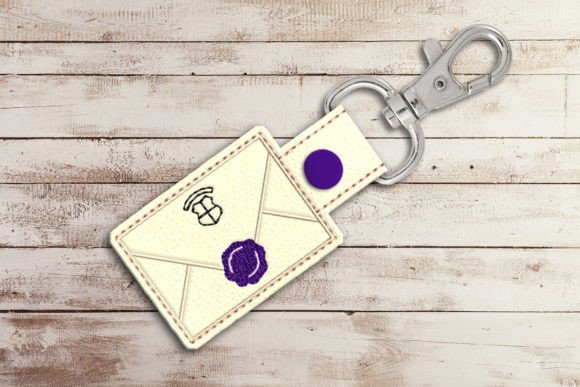
What strikes me right away is the proportion. The envelope reads perfectly as a miniature — not too cartoonish, not too literal. The flap lines, the faux postage stamp detail, and that little heart closure all work together to tell a tiny story. Visually, it sits somewhere between a heritage stationery motif and a modern personalized accessory. For a key fob, it’s scaled thoughtfully; it doesn’t try to cram too much into a tiny hoop, which often ruins satin stitch clarity.
From a designer’s eye, the layout respects negative space. The parchment base gives a light, airy contrast against darker hardware or bag straps. I can already imagine how this would pop on a charcoal gray tote, or how it’d soften the look of a structured vinyl wristlet. It belongs in projects that celebrate personal connection — thank-you gifts, wedding party favors, or boutique branding for a stationery shop. You feel it the moment you look at the stitch preview.
Where This Key Fob Design Naturally Belongs
Not every embroidery file stretches this easily across different handmade products. After running a set of five test stitches on different backgrounds, I found the Parchment Envelope ITH Key Fob Applique holds its personality across a range of real-world applications:
- Custom key fobs for craft fairs — felt versions with contrasting thread create a tactile, premium grab-and-go gift.
- Boutique branding for stationery or calligraphy businesses — stitch the envelope in brand colors, add a small name tag, and you’ve got loyal-client merchandise.
- Personalized gifts — couple a hand-stitched key fob with a matching card and you have a cohesive, heartfelt presentation.
- Teacher appreciation tokens — the envelope motif paired with “thank you” lettering hits all the right notes.
- Etsy seller bundles — pair the finished key fob with a mug rug or a zip pouch featuring the same envelope element for a neat product set.
But my favorite real-life use so far was a batch of birthday party favors. I stitched twelve of these on soft cream felt, backed them with a coordinating faux leather trim, and slipped each one into a mini paper envelope. Kids and adults alike connected with the old-fashioned mail charm. The design didn’t just complement the theme; it became the conversation piece.
However, this isn’t a one-fabric-fits-all file. Let me walk you through where its performance shines — and where you should pause before trusting it blind.Practical Performance on Real Fabrics and Machines
In-the-hoop applique files live and die by how well they handle different substrates. Stitched on quality felt with a medium weight cutaway stabilizer, the design sewed out beautifully. The satin border around the envelope edge laid flat, and the fill stitches inside the parchment area were dense enough to feel substantial but not so heavy that they puckered.
When I tested it on thin cotton fabric — the kind you might use for a lightweight tote face — the results were less predictable. The fabric, even with a good fusible backing, wanted to shift slightly during the decorative topstitching around the stamp detail. I had to slow my machine speed and add a water-soluble topper to keep the stitching crisp. So if you plan to stitch this on soft woven tea towels or delicate linen pouch faces, don’t skip your test run. A little extra stabilization goes a long way.
On vinyl — which the product description suggests as a suitable material — the outcome was sleek and modern. The old-fashioned shape got a contemporary twist, and I loved how the design handled a smooth, non-fraying surface. Just watch your needle size; a sharp microtex needle paired with a light tack stabilizer kept the vinyl from bunching under the satin stitch. The key fob felt durable, almost like a designer wallet accessory.
Where You Should Use Caution
Even a charming design like this has its limits. Here’s where I advise slowing down and double-checking your setup:
- Curved surfaces like caps: The rectangular envelope shape may distort on the compound curve of a hat crown unless you digitize a placement guide specifically for that surface. For traditional flat embroidery hoop work, it’s fine. Cap attachment? Test first.
- Stretchy fabrics: On a cotton-spandex blend, the fill stitch pulled slightly inward, creating a subtle shadow around the faux address lines. A no-show mesh stabilizer helped, but I wouldn’t trust this on a high-stretch baby onesie without heavy testing.
- Dark backgrounds: The parchment concept relies on light-to-medium contrast. On black denim, the envelope lost definition unless I swapped the default thread colors significantly. Plan for that when listing products for customers who love moody palettes.
- Frequent washing: The tight detail around the stamp and the tiny heart can trap lint over time. If this key fob will live on a gym bag or kid’s backpack, consider a protective clear vinyl overlay or seal the back carefully.
- Layered garments: Placing the design over a seam or pocket edge? The satin border might not sit evenly, so flatten the garment well and use a floating hooping method.
Visual Impact, Customer Trust, and Brand Consistency
I’ve learned after years of selling handmade embroidered goods: the design’s visual clarity directly shapes how a buyer perceives the product’s worth. The Parchment Envelope ITH Key Fob Applique delivers a high perceived value because it reads immediately as a simple but intentional accent. When a customer sees the crisp flap line, the defined stamp silhouette, and that tiny heart, they feel the care. There’s no generic clip-art feel — just a cohesive, design-forward accessory.
For small shop owners, that matters. If you’re building a brand around handwritten notes, vintage correspondence, or personalized stationery, this file supports your story visually. Include it in packaging photos, style it with a wax seal stamp prop, and your product listing suddenly tells a story, not just selling a keychain. The consistency between the stitched detail and your brand narrative reinforces trust. Buyers come back because they recognize that quiet, thoughtful aesthetic in everything you make.
Giftability is high, too. When I handed the finished key fobs out at a market, people paused and smiled. The mail theme triggers nostalgia, and that emotional reaction is priceless for conversion. Pair the key fob with a small handwritten note and you’ve created an unboxing moment that photographs beautifully for social media.
Designer Notes: Testing, Adjusting, and Selling With Confidence
Before you load this file into your machine for a client order or Etsy inventory, here’s my practical checklist based on every stitch-out:
- Stabilizer choice is non-negotiable. For felt, a medium cutaway works. For vinyl, use a dry-fit tear-away. For woven cotton, fuse a lightweight knit interfacing and add a topping layer.
- Thread color contrast needs a real-world test. The parchment fill may blend into off-white fabric. Choose a slightly darker beige or cream thread than you think you need. The heart and the stamp benefit from high contrast — otherwise, they disappear.
- Stitch density feels well-balanced. I didn’t encounter overly tight satin rows, but if you’re scaling the design slightly (always check your software), watch the satin width on that envelope border. Too narrow and it chews up felt. Too wide and it may sag.
- Hoop size and file details are your responsibility. The product description doesn’t list exact dimensions or formats. Before purchasing, confirm the design fits your hoop’s sewing field. I stitched it on a 4x4 hoop comfortably, but variations between digitizers exist. Always open the file in your embroidery software first.
- Check licensing before selling finished products. Many designers allow commercial use of physical items but restrict digital reselling. Don’t assume. Read the included terms, and if it’s unclear, reach out. A respectful maker protects their business and the digitizer’s work.
- Mock it up in black and white, then in color. Viewing the stitch simulation in grayscale reveals weak contrast zones. I learned that the “stamp perforation” detail on the edge can get lost on pastel threads, so I thickened the thread line concept in my mind and chose a slightly darker tone for the perforation lines — easy adjustment.
For those of you building a digital embroidery shop, this design works nicely as a printable mockup component too. Because the shape is recognizable, you can style a flat lay photo with the finished key fob and a paper envelope, then use that image to sell the digital file or finished accessory. Just be transparent about what the customer is purchasing.
Final Takeaways for the Thoughtful Maker
The Parchment Envelope ITH Key Fob Applique isn’t a showy, complex file. It’s a quiet, beautifully scaled design that brings an old-fashioned handwriting aesthetic into functional everyday items. When stitched well, it looks like an intentional custom element rather than a mass-produced decal. That’s the sweet spot for handmade sellers who want their products to feel personal, not factory-made.
Use it where softness and meaning matter — wedding favors, thank-you gifts, loyal customer packaging, or your own brand’s signature accessory. Avoid rushing it onto stretchy or dark surfaces without deep testing. Let the design breathe on simple, stable material that honors its vintage-inspired lines.
And always, always run that first stitch-out on scrap fabric. I’ve too often learned hard lessons skipping that step. When you see the tiny heart sew cleanly and the envelope flap curl perfectly into place, you’ll know exactly how special this little design can be.