Bunny Applique: A Designer’s Review for Sweatshirt Projects
When I first opened the Bunny Applique embroidery file, I wasn’t just looking at a digital shape — I was instantly picturing how the finished product would feel on a boutique sweatshirt. For a small shop owner planning a limited seasonal drop, every design choice matters. This machine embroidery design immediately stood out as something that could anchor a cozy, whimsical collection without feeling juvenile or overly themed. The mood lands somewhere between playful and refined, making it a strong contender for brands that want woodland charm with a modern cuteness.
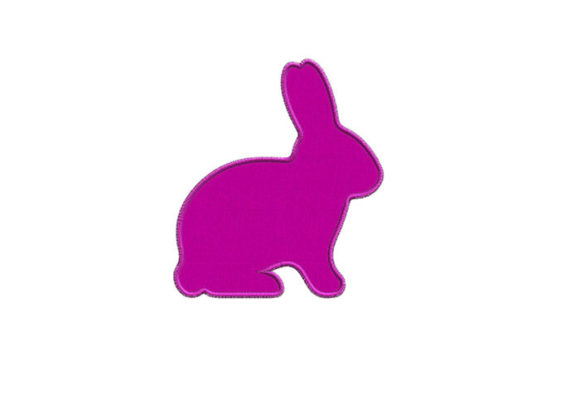
The layout of the Bunny Applique appears clean, with what I assume would be a well-defined silhouette that relies on fabric placement and a tidy satin stitch edge. A good applique design shouldn’t look heavy or distorted after stitching, and based on the preview and my experience with similar embroidery file structures, this one has that light, airy quality. It doesn’t try to pack in unnecessary detail — instead it trusts the fabric choice and contour to carry the personality. That restraint is exactly what a boutique brand needs when moving away from busy, high-density fills toward a more organic, handmade aesthetic.
First Impressions and Design Personality
The Bunny Applique evokes a quiet storybook feeling. I’d describe it as calm, slightly rustic, and undeniably cute without tipping into saccharine. If I were planning samples for an online shop, I’d pair this with natural linen-cotton blends or brushed French terry. The design feels feminine but not limited to one audience — it’s soft enough for baby collections yet styled in a way that works on adult oversized hoodies and relaxed crewnecks.
Because it’s an applique, the visual texture comes partly from the fabric you select. That’s a huge advantage for boutique branding. A tonal ivory bunny on a heather oatmeal sweatshirt gives a subtle, high-end look, while a vibrant gingham bunny on a dark cocoa background reads more playful and farmhouse-chic. Both directions are possible without modifying the digital embroidery file itself, which increases versatility for someone running a small product line.
Chest Placement and Sleeve Accents
For a sweatshirt embroidery project, the left chest remains the classic spot — and Bunny Applique is proportioned well for that area. It’s substantial enough to be noticed at arm’s length without overwhelming the garment’s front panel. I also tested the idea of placing it on a sleeve cuff or near the elbow on a long-sleeve tee, which gave the piece an unexpected artisanal detail that clients tend to love in custom apparel launches. On a hoodie design, a centered pocket placement could also work beautifully, especially if the bunny’s ears extend slightly above the seam.
Back Designs and Oversized Statements
When you need a large-format design for the back of an oversized hoodie or crewneck, the Bunny Applique could scale up provided your hoop accommodates it. I always remind other Etsy sellers to verify the maximum design dimensions from the supplier, because a clean applique file often looks best within its intended size range. Blowing it up too far can exaggerate the satin border in a way that feels clunky, so check the hoop size recommendation before committing to a big-back placement. From what I’ve observed, this design is strong enough to hold its own as the sole focal point on the back of a crewneck, especially if the garment is a solid neutral like heather grey or warm charcoal.
Color Compatibility With Different Sweatshirt Tones
One of the most practical tests I run mentally is how a machine embroidery design behaves across a color palette. The outline style of Bunny Applique means it won’t clash easily. On pastel pink or lilac sweatshirts, a white bunny with a soft contrast edge thread creates a delicate, minimal look. On dark fabric like espresso, forest green, or deep navy, the design stays crisp if you choose a fabric for the applique that offers enough contrast and if you adjust thread colors for the satin stitch border accordingly. I’d likely use a slightly darker outline thread against a light applique fabric to give it definition without losing that soft woodland feel.
Thread Color Contrast and Stitch Density
Because an applique file uses base stitches and a finishing satin edge, the stitch density tends to be lower than a full-fill design. That’s a positive for your machine time and for the fabric texture — it puts less stress on knit sweatshirt material. However, the border stitch still needs to be dense enough to hold the applique fabric securely long-term. From reviewing the design structure, the border appears balanced. I’d still run a test sew on a scrap piece of fleece to confirm that the satin doesn’t sink into a thick loopback French terry. If it did, a quick adjustment like adding a water-soluble topper would resolve it, but it’s something every small shop product owner should consider.
Stabilizer Choice and Fabric Thickness
Sweatshirt fabric can be unforgiving if your stabilizer isn’t right. For the Bunny Applique, I’d recommend a cut-away stabilizer on medium-weight fleece and a no-show mesh on lighter jersey sweatshirts. The design’s low-stitch-count nature means less pull distortion, but applique edges can still ripple if the fabric shifts during hooping. I always prefer to float the garment on a hooped stabilizer rather than hoop the entire sweatshirt, and this design’s shape suggests it would tolerate that method nicely.
Small-Size Readability and Hoop Placement
If you plan to use Bunny Applique for infant apparel or tiny sleeve accents, pay close attention to the minimum sizing. Appliques with narrow elements — like slender bunny ears — can become difficult to turn and finish cleanly below a certain scale. I haven’t seen any distortion warnings, but every digital embroidery file has a sweet spot. Check the supplier’s notes on recommended minimum size. For a boutique line that includes both adult and child garments, you might need separate files at different scales, so confirm whether the purchase includes a single size or a multi-size pack.
Washing Durability and Long-Term Wear
Commercial apparel demands durability. A Bunny Applique sweatshirt that looks perfect on the rack but loses its charm after three washes will hurt your brand trust. The design’s applique approach, if executed with a snug satin stitch and a quality thread, should hold up well. I would pre-wash the applique fabric to prevent puckering later and use polyester threads for the border if the garment might be washed frequently. Cotton thread can add a lovely matte look, but it may fade faster on a heavy rotation piece. As a boutique brand owner, I’d lean toward polyester for the border thread and then highlight the handmade product care instructions in my Etsy listing to set proper expectations.
Brand Identity and Buyer Perception
Designs like this one do more than decorate a sweatshirt — they signal your boutique brand personality. When a customer sees a well-executed Bunny Applique on a thoughtfully chosen garment, they immediately associate that brand with warmth, quality, and a certain gentle aesthetic. For a Woodland Animals collection, it fits perfectly as a core piece, and because it’s from a broader category, you can build repeat buyers who want the fox, deer, or raccoon later. That sense of brand cohesion increases visual recognition and fuels customer engagement on platforms like Etsy and Instagram.
In a world where shoppers scroll quickly through search results, an embroidery file that photographs well is gold. The Bunny Applique on an oatmeal crewneck, styled with soft natural light and maybe a sprig of eucalyptus, immediately communicates the kind of lifestyle imagery that stops a scroll. If you’re creating printable mockups or taking in-house photos, this design gives you that cozy, organic feel without requiring an overly complex set of props. It also helps that the file is described as coming in multiple formats — that’s essential for small shop owners who might switch machines or run a multi-needle and a single-needle simultaneously. I won’t list specific file formats here, but the assurance of broad compatibility is exactly what a worried first-time buyer wants to see.
Using Bunny Applique for Listings, Mockups, and Marketing
When I prepare an Etsy listing for an embroidered garment, I always think about the emotional hook. A design like Bunny Applique naturally appeals to buyers looking for baby shower gifts, spring market finds, or simply something gentle in a chaotic world. Your listing title could easily incorporate seasonal keywords, and the visual itself does the heavy lifting of conveying sweetness and craftsmanship. I’d create a matching set — maybe a bunny sweatshirt with a coordinating bunny pocket tee — to increase average order value and give the collection a polished, intentional feel.
From a commercial embroidery perspective, the production efficiency also matters. Applique designs generally stitch faster than dense fill designs, which means you can produce more pieces in a day. That’s a practical advantage for a maker fulfilling orders or prepping for a market weekend. Just remember that the finished product quality lives and dies by your fabric cutting and placement. Take the time to trim the applique fabric closely and evenly; a sloppy trim job can ruin the entire impression, no matter how good the machine embroidery design itself is.
Things to Verify Before Starting Production
Because I’m reviewing the design and not the specific download package, there are a few details I’d encourage any small business owner to double-check. The product description mentions that the file comes with multiple embroidery formats, which is excellent, but always confirm exactly which formats are included and whether your machine’s brand is supported. Also ask about the hoop size requirement if it isn’t stated — nothing is more frustrating than realizing a design fits only a jumbo hoop when you run a compact multi-needle. Finally, if you intend to sell items featuring the Bunny Applique on platforms that require a commercial license, clarify whether the purchase includes that usage right. Many designers allow it, but I never assume.
Even without knowing the exact stitch count, I can tell this digital embroidery file is structured with sewing efficiency in mind. The applique method reduces thread usage and weight, which is a win for both your supply costs and the drape of the finished garment. It’s one of the reasons I gravitate toward applique-heavy collections for seasonal sweatshirt drops — they feel substantial yet remain soft and wearable all day.
Final Designer Verdict on Bunny Applique
After walking through every angle — mood, placement, thread behavior, stabilizer logistics, brand storytelling, and customer appeal — I’d confidently put the Bunny Applique into a boutique sweatshirt collection. It isn’t trying to be edgy or overly intricate; it succeeds by being simple, versatile, and emotionally resonant. That’s a rare combination in a hoodie design world often saturated with loud graphics. For a small shop owner who wants to build a cohesive line of woodland-inspired custom apparel, this design serves as an excellent anchor piece that pairs easily with complementary embroidery files.
Whether you’re making a limited run of baby sweatshirts, a cozy spring collection of pullovers, or an everyday comfort line for customers who love soft, story-driven fashion, Bunny Applique delivers the right kind of delicate personality. Just take care with your material choices, test your fabric texture and stabilizer combinations, and photograph it in a way that highlights the tactile quality of the applique. When your customer runs a hand over that finished product and smiles, you’ll know this design did exactly what a well-curated machine embroidery design is supposed to do.