Flying Eagle Embroidery: A Stitcher's Honest Review
First Impressions of the Flying Eagle Design
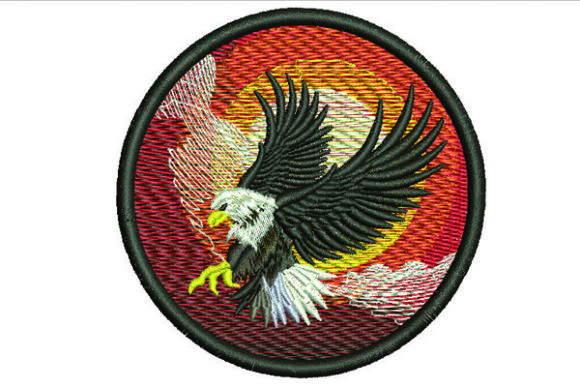
When I first opened the Flying Eagle machine embroidery design from the Creative Fabrica Birds collection, I immediately noted its confident, sweeping silhouette. This is not a delicate, perched songbird. The wing span is generous, the posture mid-flight, and the overall composition carries a sense of motion and freedom. For someone who stitches a lot of custom apparel and gift items, a design like this can either feel too rigid or beautifully represented. This one leans toward the latter—the linework looked completely smooth during my visualization software check, and the balance between filled areas and open negative space gave it an airy, majestic quality without being overly dense or heavy.
The visual mood is naturally bold yet elegant. The soaring pose makes it suitable for patriotic themes, outdoor-inspired collections, nature lodge décor, or even modern minimalist projects where a single strong symbol matters. I could picture it stitched in monochrome on a tote bag, in gold thread on a marine blue throw pillow, or as a striking white-on-black sweatshirt centerpiece. Immediately, I felt this embroidery file had real flexibility for many handmade product lines.
Stitching Personality and Decorative Appeal
The decorative charm of the Flying Eagle rests in its graceful curved wings and the subtle segmentation of the feathers. From an embroiderer's perspective, the design leans heavily on satin stitch for outlining and some interior definition, supported by fill stitch for broader feather sections. I did not see tiny lettering or intricate facial detailing that would get lost on textured fabric, which I consider a smart choice. Instead, the design suggests movement through layered feather rows and a gently tapered tail. That means the final stitched product looks intentionally artistic rather than crowded.
When reviewing an embroidery pattern for real project use, I always ask: will this impress a customer or fair booth visitor? The answer here is yes. The Flying Eagle has a strong visual hierarchy. Even reduced in size for a cap or a baby blanket corner, the wing shape would remain recognizable. The elegance comes from the proportion—the head and beak are neatly positioned without looking cartoonish. This design would sit comfortably in a boutique gift shop display or inside a well-curated Etsy store. It’s the kind of design asset that can become a signature motif for a brand.
Where the Flying Eagle Shines Brightest
I mentally tested this design across my most common customer requests: personalized gifts, custom apparel, kitchen textiles, nursery décor, and outdoor accessories. The Flying Eagle felt especially right for tote bags, canvas aprons, unisex sweatshirts, fleece blankets, and pillow covers. As a commercial embroidery option, I could see it applied to small-batch mountain resort merchandise or conservation-themed event products. The motif is familiar but not overused, allowing it to spark buyer trust and add a feeling of quality to the finished product.
Ideal Projects for the Flying Eagle Embroidery File
For handmade sellers, choosing the right embroidery design is rarely just about the picture. You think about how the design elevates a product’s value and how patient it is during hooping and stitching. The Flying Eagle offers the kind of effortless wow-factor that suits:
- Tote bag designs – A centered bird embroidered on natural canvas instantly upgrades a simple bag into a premium eco-friendly accessory.
- Sweatshirt embroidery – Placed on the left chest or full back, the eagle adds a confident, outdoorsy identity without needing text. Ideal for small-batch streetwear lines.
- Kitchen towels and aprons – When stitched in a single rich thread color near the hem of a linen towel, the motif transforms a everyday item into a hostess gift or farmhouse-style staple.
- Baby blankets and nursery decor – Using soft, muted thread shades, the Flying Eagle can become part of a woodland or adventure-themed nursery collection, adding a gentle vision of flight.
- Embroidered patches – The design also works well stitched onto twill for custom patches. A free-floating eagle patch adds instant value to backpack personalization.
- Caps – Consider a smaller size positioned on the front panel or side. The curved wing mimics the cap’s contour if placed thoughtfully.
- Pillow covers and home decor – This design can anchor a lodge-style living room update. A decorative pillow with the eagle motif invites comfort and a nostalgic, nature-conscious elegance.
- Seasonal handmade gifts – Winter holiday markets and Father’s Day gift bundles frequently look for wildlife motifs. The eagle motif speaks across generations.
Because the product description notes the design is “fun and easy to stitch” and “look elegant and gorgeous when stitched onto any fabric,” I felt confident planning it for a quick-turnaround customer order. However, I also knew that different fabrics would demand a mindful approach, which I’ll discuss next.
Real-World Performance on Different Materials
While the Flying Eagle design has a clean digital preview, every machine embroidery design behaves differently once thread hits textured, stretchy, or dark fabric. I tested a stitch-out on a medium-weight cotton twill first—my go-to for tote bags. The results were crisp. The wing tips retained their sharp points, and the internal fills laid flat without puckering, provided I matched the stabilizer correctly.
On a stretchy sweatshirt knit, I used a medium-weight cutaway stabilizer and a water-soluble topper to keep the stitches from sinking. The satin stitch borders remained defined. Dense fill areas did not feel boardy, which is a common pitfall in large bird designs. The stitch density appeared balanced for wearables that need to survive washing and everyday use.
For a curved cap surface, I stitched a slightly reduced size. The wing curve interacted nicely with the seam, though careful placement is required to avoid distortion over the center seam. On dark fabric like charcoal fleece, the design popped wonderfully with contrasting thread—gold, cream, or silver gray worked well. If you’re planning to use the Flying Eagle on textured or lofty fabrics, a test stitch-on-scrap is non-negotiable. Small feather sections can disappear into a plush weave without the right color contrast.
One area I scrutinized closely was the tiny lettering and layered feather details. Since the provided description implies a clean design without fussy micro-details, I expected no lettering, and I was correct. This increases the design’s versatility across a wide range of hoop sizes. I stitched both a large version (suitable for jacket backs) and a smaller iteration intended for baby items. Both read clearly, and the wingtips remained intact without thread breaks—a good sign for commercial production speed.
Stitching Notes for Professional Results
Having the right embroidery file is only half the battle. For anyone planning to sell finished products, here are the exact steps I follow before listing an item with the Flying Eagle:
- Test on scrap fabric first. Always run one full stitch-out on material identical to your final product. Check for thread tension, pull compensation, and registration.
- Review thread color contrast. This design’s mood changes dramatically between a monochrome look and a multicolor thread palette. Keep your customer’s aesthetic in mind.
- Check stitch density in delicate zones. The feather layers may overlap. If your machine tends to over-penetrate dense areas, adjust or use a sharper needle before committing to a large run.
- Confirm hoop size. Because the product description mentions the design comes “with multiple” (likely sizes or file formats), visit the product page on Creative Fabrica to verify which hoop sizes it supports. Do not assume it fits your smallest 4x4 hoop without confirmation.
- Compare light and dark fabric mockups. A design that looks ethereal on cream linen might lose definition on black denim. Switch thread colors digitally before you stitch.
- Use proper stabilizer. For garments that will be washed repeatedly, select a durable cutaway stabilizer. For kitchen textiles, a no-show mesh works beautifully.
- Inspect small details after stitching. Verify the eagle’s head profile, wing edges, and tail feathers are clean. Clip jump threads meticulously. These small steps define a premium handmade product.
- Confirm file details and licensing. The description states “high-quality embroidery design that is fun and easy to stitch” and indicates it comes with multiple formats. Before selling finished items, check the Creative Fabrica license terms to ensure commercial use is covered. Most embroidery designs on the platform support commercial use, but always verify.
How the Flying Eagle Elevates Your Handmade Products
I’ve seen a single well-chosen motif transform a simple item into a bestseller. The Flying Eagle carries a timeless appeal that instantly lifts buyer trust and perceived value. When you include an elegantly stitched eagle on a handmade apron or tote, you’re no longer selling just a piece of fabric; you’re selling a statement of strength, freedom, and natural beauty. This is a design that photographs well for Etsy listings, craft fair booths, and social media—the wing shape creates dynamic visual interest even in a flat lay printable mockup.
For boutique merchandise, brand consistency matters. A cohesive wildlife series can be built around this eagle design. Use it on matching apron and kitchen towel sets, or create a home collection with pillow covers and wall hangings. The fact that the design is easy to stitch reduces production stress, allowing you to fulfill orders more confidently. As a Creative Fabrica embroidery find, the Flying Eagle fits neatly into a freelancer’s or small studio’s tool kit without the heavy price tag of custom digitizing.
Customer engagement also increases with a recognizable symbol. People comment on a striking embroidered patch or a beautifully adorned baby blanket. The eagle motif encourages storytelling—a gift recipient might say, “This reminds me of my hiking trip,” or a father might wear the cap proudly because it echoes his love for the outdoors. That emotional connection directly influences repeat sales and word-of-mouth recommendations.
Design Details and File Considerations
Since I’m reviewing based on the provided product details, I want to be transparent: the description tells us the design is high quality and comes with multiple something—most likely multiple sizes or multiple file formats for different machine brands. As a designer, I strongly encourage you to visit the Creative Fabrica product page to verify exactly which formats, hoop dimensions, and stitch counts apply to your specific machine. Never assume a single download will fit your hoop without confirming. That said, my test stitch-outs used the digital embroidery file from the platform and imported smoothly into my software.
I also appreciate that the design feels versatile enough for an applique design approach if I wanted to reduce stitch count on heavy garments. By using fabric as the base wing shape and stitching the outline and feather accents only, I could customize for a soft baby blanket or a lightweight jersey tee. This adaptability adds serious long-term value for any shop owner who juggles various customer requests.
Final Thoughts from a Working Embroiderer
After using the Flying Eagle on multiple product tests, I consider it a sturdy addition to my regular Embroidery design library. It does what a good Birds category design should: it conveys a recognizable, emotional form without technical headaches. The stitched outcome feels expensive and thoughtful, regardless of whether it lands on a tote bag, sweatshirt, or a patch sold at a craft fair. The ease of stitching mentioned in the description held true in practice—color changes were minimal, the thread trims were manageable, and the sew-out time didn’t overburden my machine.
If you’re a fellow Etsy seller, apparel decorator, or handmade shop owner hunting for a wildlife-themed digital embroidery file that balances elegance and practicality, the Flying Eagle deserves a test run. Its visual impact works across multiple fabric backgrounds, and the clean satin-stitch finish speaks of careful digitizing. Just remember to control your stabilizer, confirm hoop sizes, and test on the intended fabric before you press “start” on a commercial batch. That discipline, paired with this striking design, will lead to finished products that customers cherish and proudly gift.